What to expect from a home EV charger installation
Most residential Level 2 jobs are predictable once you know the sequence. The work on the wall is only one step. Permits, a load calculation, and — if the panel is involved — a utility appointment usually determine the calendar.
1. Share photos and the basics
Before anyone orders a charger or opens a wall, an electrician needs to see the panel (especially the main-breaker rating), the route to the parking spot, and what you drive or want to install. The form on this site asks for ZIP, property type, panel amperage if you know it, and EV or charger type so that conversation can start with facts instead of a generic sales call.
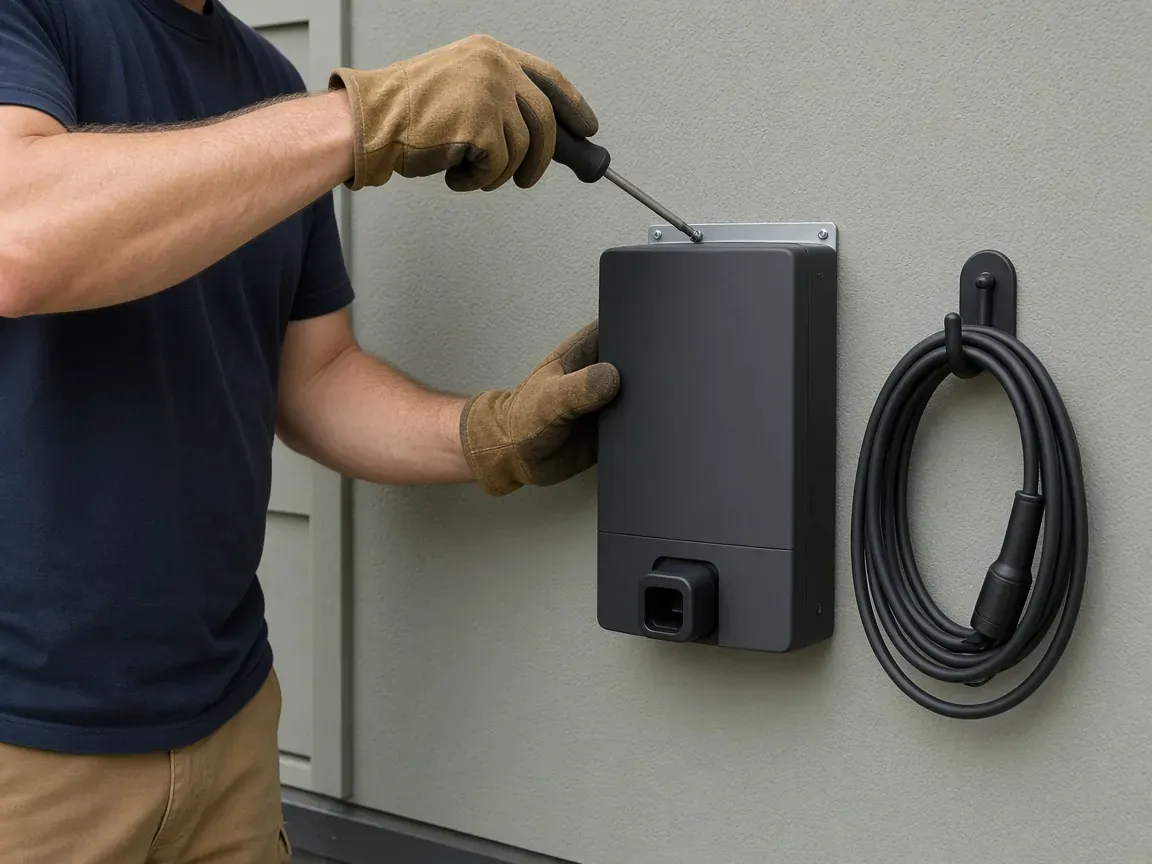
2. Load calculation and a written scope
EV charging equipment is a continuous load under the National Electrical Code. The electrician should size the circuit at 125% of the charger’s current rating and check the dwelling load under Article 220 (or an accepted measured-load method). The result is usually one of: a straightforward new circuit, a lower-amp or load-managed circuit, or a panel or service upgrade. Get that recommendation in a written, itemized estimate. See panel upgrade for an EV charger and installation cost.
3. Permits, by city
Roseville
The City of Roseville publishes a Residential EVSE electronic submittal checklist. You start a pre-application in the Online Permitting Services portal and select Residential → Add to an existing home → Electrical circuit for spa or electric vehicle charger, then upload the manufacturer’s installation instructions and the city’s EVSE checklist. If the existing service is not adequate and a panel upgrade is needed, Roseville Electric written approval comes first, using the city’s Residential Electric Service Upgrade procedure.
Rocklin
The City of Rocklin Building Division issues the permit and provides an EVSE permitting checklist. For a service upgrade, Rocklin also requires a building permit, may require an electric load worksheet, and tells applicants to contact PG&E about disconnect/reconnect before work starts. Work cannot begin until the permit is issued.
Lincoln
The City of Lincoln’s EV charging-station handout requires floor plans, the manufacturer’s installation instructions, and a single-line diagram (conductor types and sizes, breaker size, conduit, charger manufacturer and model, and panel and disconnect sizes). Installations must follow the 2025 California Electrical Code. The handout states that one final inspection is required after the work is complete, and that inspectors do not open equipment — a qualified person must provide access.
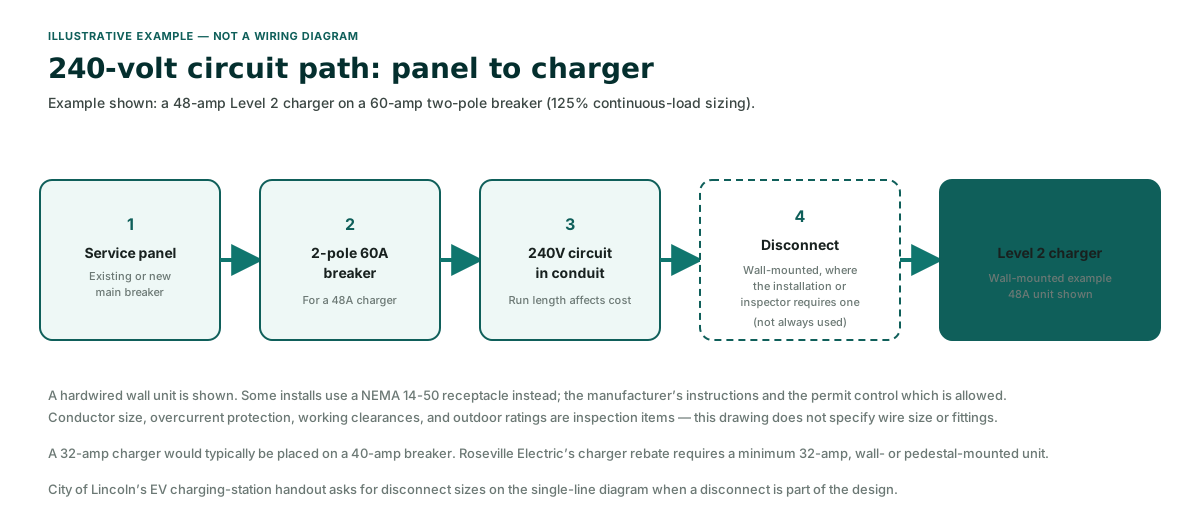
4. Install day
For a simple garage install, expect the circuit to be run, the charger or 14-50 receptacle mounted, and the breaker landed, with power off in the work area. A service upgrade is a longer day: the utility disconnects power, the new panel is set, the inspector typically needs to issue an approval (Roseville’s handout calls this a “green tag”) before the utility restores the meter, and the house is without power during that window. Outdoor or pedestal work, trenching, or finished-wall fishing adds time. Ask, in advance, whether you need to be home, move vehicles, or clear the garage.
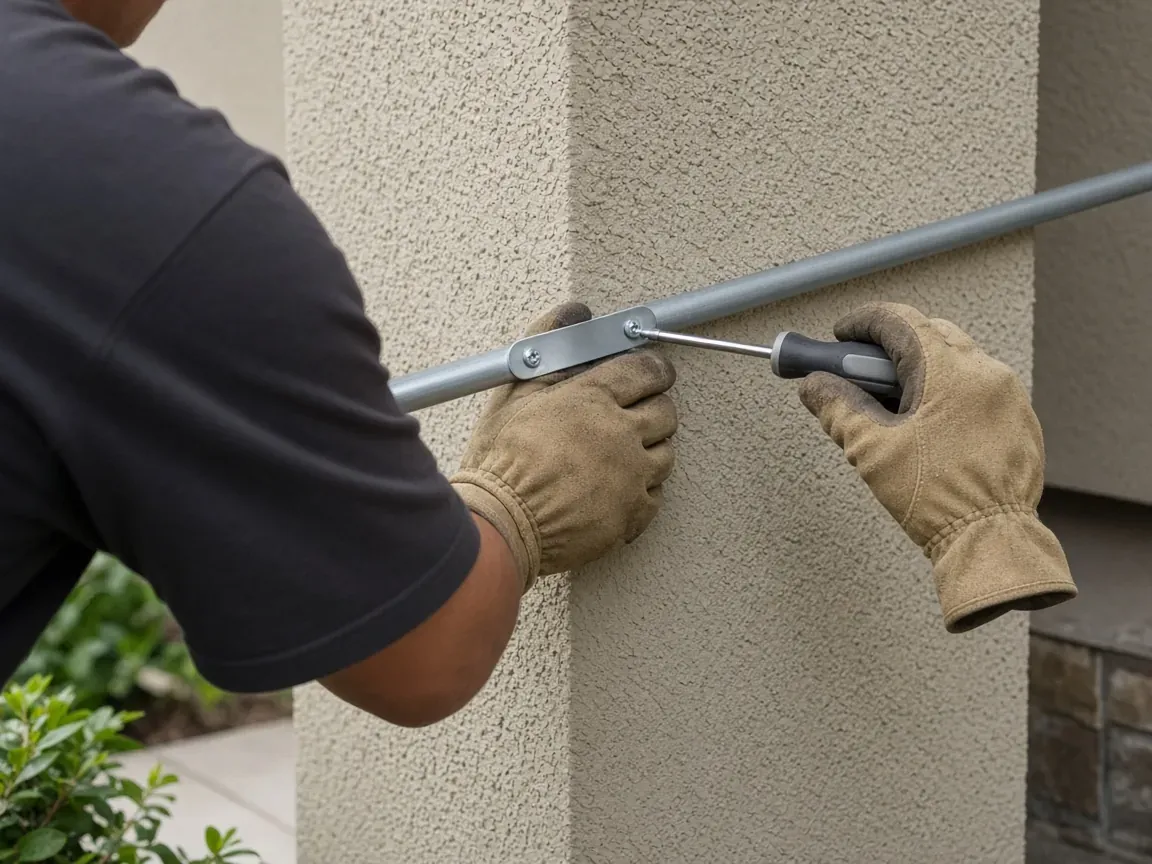
5. Inspection
The city inspects for code compliance, including conductor size, overcurrent protection, working clearances, and — for outdoor equipment — weather rating and mounting height rules that appear on the local EVSE checklists. Do not close up walls the inspector needs to see until that inspection is done, unless the permit specifically allows it. Keep the manufacturer’s instructions on site; Roseville’s checklist asks that they be available to the inspector.
6. Rebate paperwork
After the charger is installed (and, for a Roseville Electric panel rebate, after the final permit), file with the correct utility while the deadline is still open. Roseville Electric’s standard Level 2 application must be postmarked within 90 days of purchase. The income-qualified official web pages say 120 days, while the July 2025 PDF still says 90 days — verify which window applies on the form you file. PG&E’s standard rebate window is 180 days; Rebate Plus must be started before the contractor purchases the equipment. Keep the paid invoice, photos of the installed equipment, and your account number. The rebate guide lists current Roseville amounts and contacts.
What you can do yourself, and what you should not
Gathering photos, choosing a charger that meets rebate specs, and deciding between a hardwired unit and a 14-50 outlet are reasonable homeowner tasks. Installing a 240-volt circuit, landing a feeder, or swapping a service panel is licensed electrical work in California and needs a permit. This site does not perform that work and is not affiliated with any electrician.
Request a quote
A local licensed electrician can review your panel, run length, and charger choice and give you a written scope. There is no obligation to hire anyone.